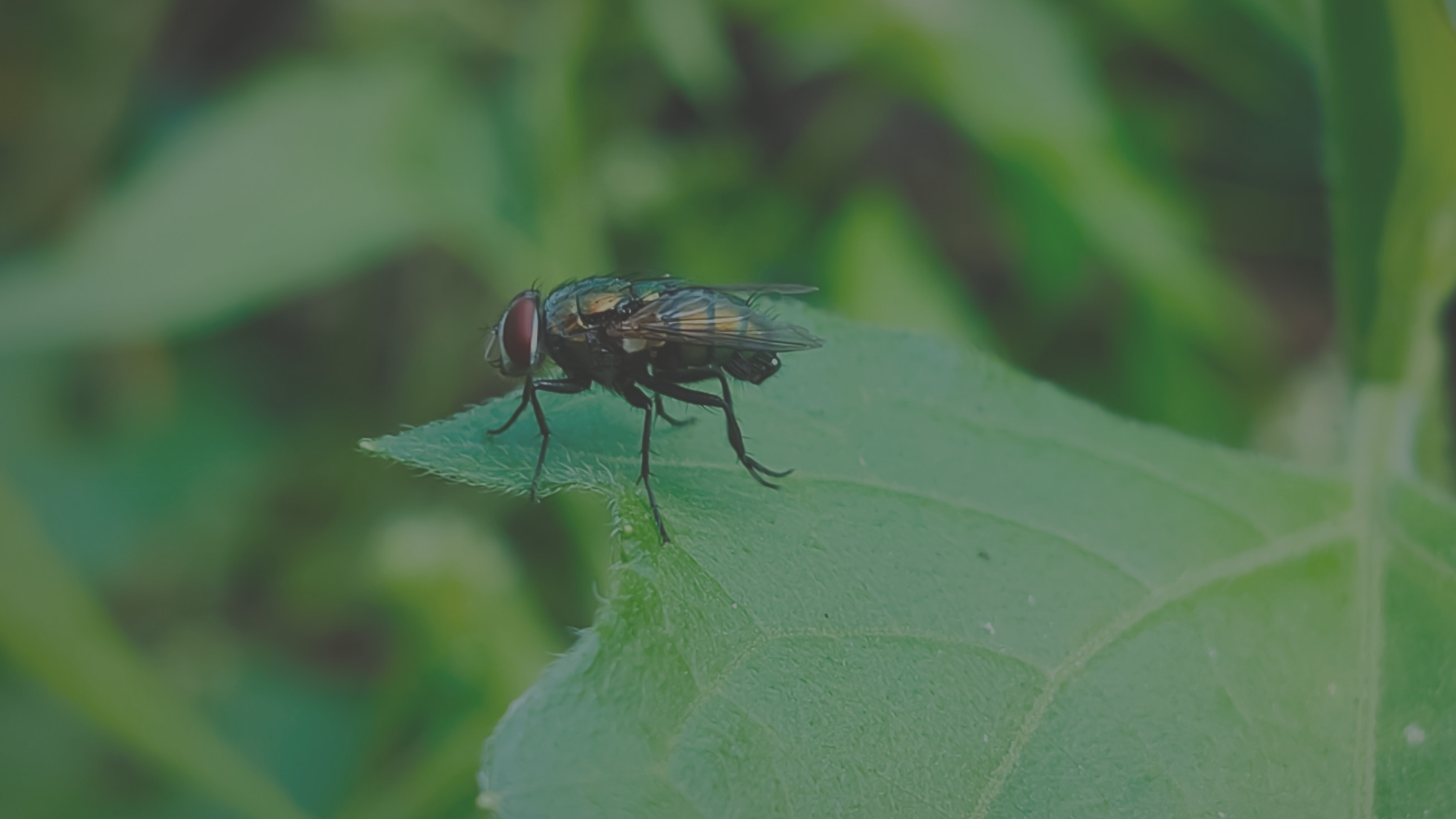
On June 3, 2026, the USDA confirmed the presence of New World Screwworm (NWS) in US cattle for the first time since the 1970s. With summer just heating up, the presence of the parasitic fly threatens animal health and safety and is also driving up beef prices.
What is New World Screwworm?
NWS is a fly that lays its eggs near open wounds or mucous membranes in warm-blooded animals, including livestock, pets, wildlife, humans, and even birds. The fly eggs hatch into larvae within 12-24 hours, at which point these larvae burrow into the flesh like a screw into wood—hence the name. It feeds on the animal’s flesh for about 3-7 days, causing extensive tissue damage that is ultimately harmful to the animal and to any meat it would eventually produce for the food supply.
NWS is considered an infestation rather than an infectious disease. Unlike viruses or bacteria, flies are not spread via animal contact. Although infestations are of an animal health concern, the USDA reaffirms that this is not a food safety concern.
The CDC also notes that human infestations are rare. It is important to maintain good, regular hygiene habits and to treat and cover all open wounds.
How New World Screwworm Spread to the United States
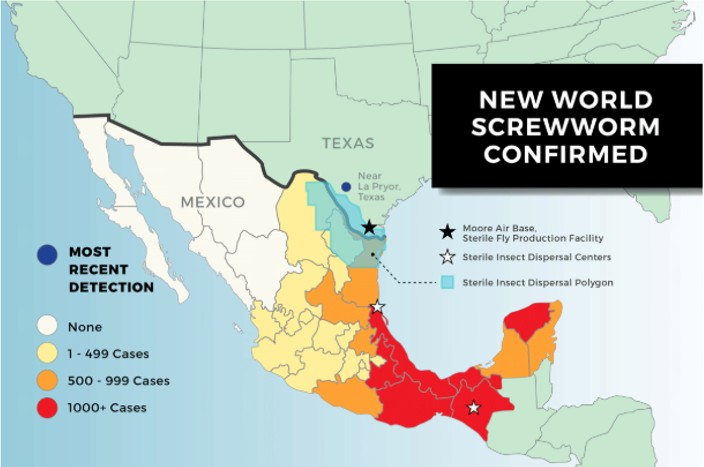
Since 2023, an outbreak of NWS has moved northward from Central America into Mexico, primarily infecting livestock, pets, and wildlife, which transfer the fly larvae as they travel.
Flies do not move long distances by themselves, but rather use animal hosts as a vector. This becomes extremely important when attempting to mitigate the transmission of flies to other areas of the US. The first case of NWS in the US was identified in cattle in Texas on June 3. Just five days later, on June 8, the fly was identified on a dog in New Mexico, although the recent travel history of the animal is unknown and the infestation was identified in the animal by a Texas vet. The same day an infestation was also identified in a Texas goat. The rapid movement between species highlights how quickly this parasite can spread and the importance of vigilant monitoring.
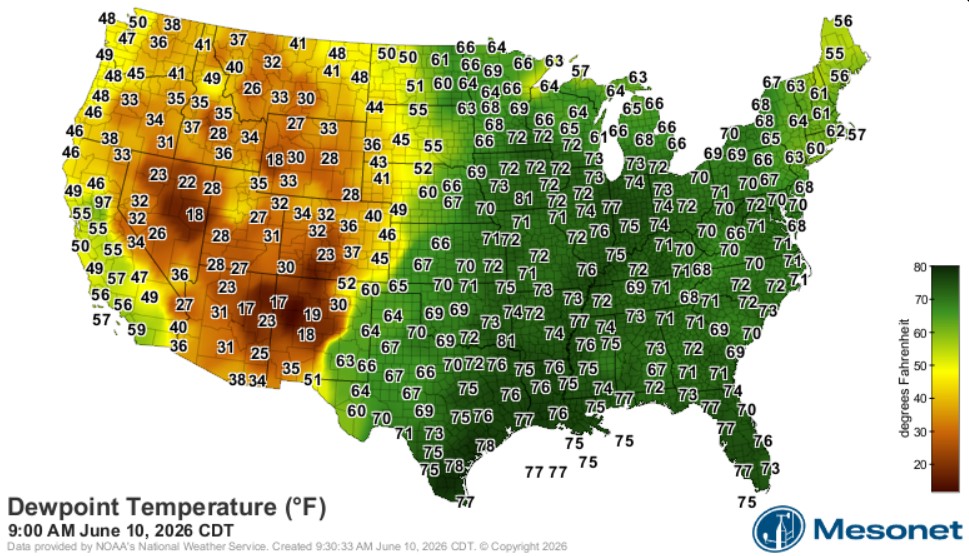
It is also important to remember that while infested livestock can be quarantined, it is difficult to limit the spread of flies in wildlife. Coyotes, deer, wild hogs, and even migratory birds can carry these flies to other states. Adult flies prefer temperatures between 77 and 86°F with a relative humidity between 30 and 70%. This translates to a dew point temperature range of 41-75°F, which encompasses most of the United States during the summer months.
Eradication Strategy: The Sterile Insect Technique
NWS was originally eradicated in the US via the Sterile Insect Technique. This technique involves releasing millions of sterile male flies. Female NWS flies only mate once in their lifetime, and mating with a sterile male fly results in unfertilized eggs that will not hatch into larvae. This process gradually reduces the fly population until eradication.
There are three USDA-funded sterile fly production facilities located in Pacroa, Panama; Metapa, Mexico; and Moore Air Base in Texas. There are also three dispersal facilities located in Tuxtla, Mexico; Tampico, Mexico; and Moore Air Base. The Moore Air Base facilities are capable of producing 300 million sterile flies per week and dispersing 100 million sterile flies per week. Although the sterile fly dispersal facility in Texas is operating at full capacity, the production facility is currently in development.
The Sterile Insect Technique remains the best strategy for eliminating NWS, but it takes time. It is likely NWS will persist as a threat to US livestock through 2026 and into 2027, although northern regions of the country may see some reprieve during the winter months as the flies cannot survive below 46°F.
Prevention, Detection, and Treatment
Prevention of NWS can be difficult and requires diligent monitoring and management of livestock and facilities. Flies are a common occurrence around livestock facilities, but this particular fly is more dangerous than most. Warning signs can include head shaking, tail swishing, or kicking at the body; clusters of small abscesses; open sores or wounds that worsen quickly; a strong, foul-smelling odor; and visible larvae. The first 24 to 48 hours can be challenging for detection because the larvae are hard to spot; however, they develop quickly.
Young calves are at significant risk for infestation. Fresh umbilical cords can be an attractive site for flies to deposit their eggs. Extra attention and care is needed to ensure calf health and safety. An iodine spray is often used on a newborn calf’s navel as it sanitizes and dries the area.
Treatment primarily focuses on removing the larvae, cleaning the wound, and preventing reinfestation. The FDA has approved a variety of emergency-authorized medicines for multiple species. More recently, the FDA has approved the over-the-counter injectable drug Dectomax for use in lactating dairy cattle, dry dairy cows, and replacement dairy heifers 20 months of age or older. Currently, there are no approved drugs for use in veal.
Thankfully, American dairy producers are adept at biosecurity measures and maintain strong relationships with their veterinarians to manage these animal health outbreaks. After the 2024 bird flu outbreak, producers have established heighted biosecurity measures and are plenty prepared to combat NWS.
Market Impacts on Beef and Dairy
The most prominent impact of NWS has been seen in the beef market. Following the June 3rd USDA announcement, CME August to November feeder cattle futures moved limit up ($10.75/cwt) but have since eased. CME August 2026 feeder cattle futures closed down on Monday, June 8, following headlines of NWS detected in New Mexico, at $350.700/cwt, while CME August 2026 live cattle futures closed at $236.725/cwt.
Due to NWS detection in Mexico, the US stopped cattle imports from the nation in 2025. This has compounded the already tight US beef herd and kept cattle numbers from materially growing. The limited number of cattle for reproduction and entering feedlots is the culprit behind record-high cattle prices.
US agriculture markets have seen intense volatility over the past year due to a variety of factors, including trade disruptions and tariffs, rising input costs, and new animal health threats. New announcements of NWS infestations will likely lead to further volatility in these markets. Longer-term, NWS will also likely support elevated beef prices, as the Mexican border remains closed to cattle imports and cattle treated for NWS are subject to strict mandatory withdrawal periods before entering the meat supply.
For dairy, quantifying the total impacts of NWS is difficult. As with all cows undergoing medical treatment, their milk cannot enter the bulk tank or the milk supply chain. Depending on the intensity of infestation throughout the herd, this could be problematic. That said, dairy cows are often more diligently monitored than beef cattle as they are inspected multiple times a day during milking, whereas beef cattle can be out on grazing lands for extended periods. Calves are at the greatest risk of NWS, as the fly can cause severe damage to young stock, and fewer medications are authorized for treatment. Beef-on-dairy calves have become a lucrative income source for dairy producers over the past year. This income stream is directly tied to the beef markets, so elevated beef prices and the fluctuations of these markets due to NWS are factors dairy producers will certainly want to watch.
For now, there is little to do but wait, watch, and let the fly production and dispersal facilities do their job. HighGround will keep our subscribers posted on any new NWS developments.